In complex industrial, mining, energy, and mega-infrastructure projects, remote workforce housing is no longer a secondary site management concern—it is a critical driver of operational uptime, labor retention, and project ROI. This whitepaper analyzes leading site accommodation architectures, manufacturing benchmarks, and structural performance criteria.
Engineered for rapid mobilization, extreme thermal performance, and global ocean freight compliance. Compare technical configurations below.
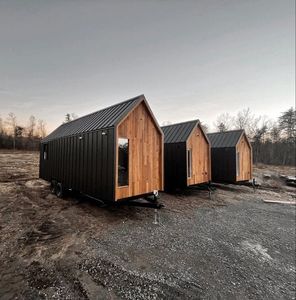
Hybrid structural steel frame with architectural timber facade detailing. Optimized for resort staff, executive site quarters, and eco-vacation cabins.
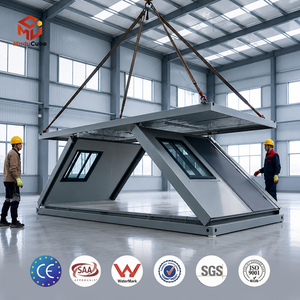
Revolutionary Z-hinge system allowing 10-minute field unfolding per unit. Designed for mass worker dormitories and urgent temporary housing camps.
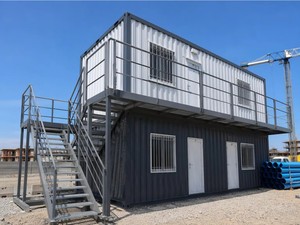
Scalable multi-room prefabricated complex. Features integrated wet pods, fire-rated Rockwool wall panels, and structural stacking capability up to 3 floors.
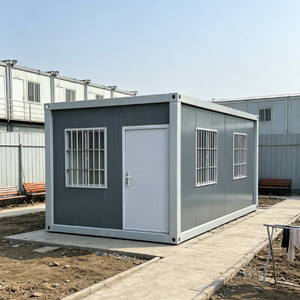
Reinforced cold-formed steel structural chassis designed for extreme climate zones, heavy snow loads, and high-impact industrial environments.
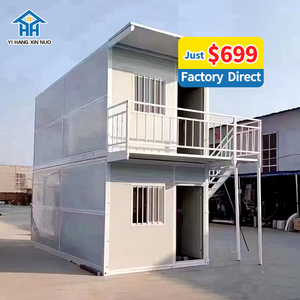
Standard ISO shipping dimension folded flat for transport. Serves seamlessly as emergency command posts, field workshops, or storage housing.
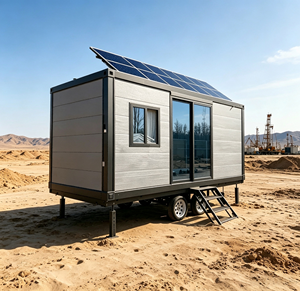
Equipped with rooftop solar microgrid array and heavy-duty mobi-chassis. Built specifically for remote oilfield exploration and mobile desert operations.
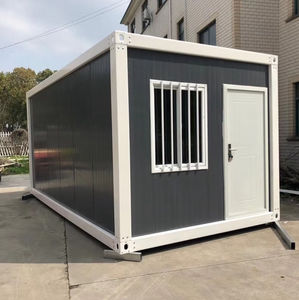
Fully knock-down (Flatpack) design maximizing container shipping space. Features recyclable eco-insulated core materials for zero-footprint deployments.
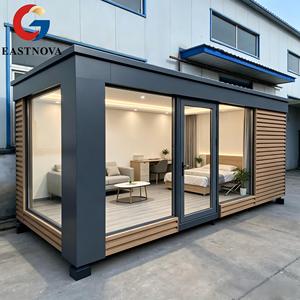
Dual-purpose mobile unit tailored for construction engineers. Includes pre-wired network trunks, LED panel lighting, and climate control HVAC mounts.
Modern site accommodations must satisfy structural standards equivalent to permanent commercial buildings while retaining the portability and modular agility of temporary field shelters. When evaluating manufacturers and tier-1 suppliers, engineering procurement teams must analyze structural steel metallurgy, thermal envelope efficiency, and fire containment ratings.
The base frame forms the structural foundation of modular housing. Leading manufacturers utilize cold-formed galvanized Q235B and Q355B structural steel profiles. The frame undergoes a hot-dip galvanization process (minimum 275g/m² zinc coating) to prevent oxidative corrosion in marine, desert, or high-humidity environments. Frame corners incorporate heavy-cast ISO corner block castings, enabling standard twist-lock crane lifting and multi-tier stacking.
Thermal performance determines operational energy consumption in mining and oilfield camps. State-of-the-art site accommodation units utilize tongue-and-groove composite sandwich panels:
| Accommodation Type | Structural Frame Spec | Deployment Speed | Wind & Seismic Rating | Primary B2B Application |
|---|---|---|---|---|
| Z-Type Folding House | 2.5mm Hot-Dip Galvanized Q235B | 10 - 15 Mins / Unit | 150 MPH / Seismic Class 8 | Rapid Worker Dorms, Disaster Recovery |
| Flatpack Modular Unit | 3.0mm Cold-Formed Steel Profile | 2 Hours (3 Workers) | 180 MPH / Seismic Class 8.5 | Mining Camps, Semi-Permanent Offices |
| Mobile Solar Container | Integrated ISO Chassis & Axle | Immediate (Tow & Set) | 160 MPH / Seismic Class 8 | Off-Grid Oilfields, Remote Exploration |
| Custom Modular Cabin | Heavy Q355B Steel Skeleton | 1 Hour (Crane Position) | 200 MPH / Seismic Class 9 | Executive Quarters, Boutique Resorts |
Six core technological advancements defining next-generation modular worker housing.
Flatpack and Z-fold engineering allows up to 4 flatpack units or 2 complete folded homes to fit in a single 40ft HQ ocean container, drastically reducing ocean freight overhead.
Precision-engineered corner castings and internal steel columns enable 3-story vertical stacking without requiring external structural scaffolding or heavy engineering additions.
Factory-installed PVC/PEX plumbing and pre-molded fiberglass shower rooms allow plug-and-play hookup to municipal sewers or site water treatment plants.
Units deploy seamlessly onto helical ground screws, concrete pier pads, or compacted gravel beds, removing the need for costly, unrecoverable concrete foundations.
Optional rooftop PV solar systems combined with lithium battery storage packs deliver complete electrical autonomy for remote exploration and desert work camps.
Non-combustible Rockwool panel cores combined with double-glazed hollow glass windows deliver sound reduction up to 35dB and 120-minute fire containment.
The global market for site accommodation is shifting rapidly from basic temporary shelters to intelligent, sustainable, and highly livable modular ecosystems. Project directors, EPC contractors, and procurement executives must consider five pivotal macro-trends when selecting supply partners:
Global energy and mining conglomerates are bound by strict Environmental, Social, and Governance (ESG) mandates. Modern site accommodations must feature 100% recyclable structural steel, zero-VOC interior wall finishes, and low-E glazing. Furthermore, modular units designed for easy dismantling and redeployment across multiple project lifecycles drastically reduce embodied carbon footprints.
Diesel generator dependence is being phased out in favor of hybrid energy solutions. Advanced site cabins now integrate lightweight monocrystalline solar panels embedded into roof decks, paired with localized inverter/battery enclosures. Intelligent building management systems (BMS) automatically throttle HVAC and lighting loads to optimize off-grid power draw.
Field labor costs continue to escalate globally. Consequently, buyers are demanding higher factory pre-installation levels. Leading manufacturers now supply "turnkey" units complete with internal wiring (UL/CE compliant), pre-plumbed sanitary fixtures, pre-mounted air conditioning brackets, and built-in workforce furniture, minimizing site assembly to hours per unit.
Labor retention in harsh remote sites (such as offshore wind assembly hubs or remote lithium mines) depends directly on accommodation quality. Supply specifications now demand enhanced sound insulation, ergonomic bedding layouts, active climate control with HEPA air filtration, and residential-grade interior styling.
Technical answers for project managers, supply chain leaders, and engineering consultants.
Whether deploying a 1,000-man mining camp, emergency disaster relief shelters, or executive site offices, our engineering team provides end-to-end support—from structural CAD modeling to global logistics and field assembly guidance.
Get a Quote