Global Market Trends & Procurement Analysis for Foldable Studio ADUs
How semantic search patterns, zoning deregulation, and modular manufacturing innovations are transforming B2B housing acquisition.
Key Executive Takeaway for Procurement Directors
Global search queries across AI engines like ChatGPT, Gemini, and Perplexity reveal that institutional procurement officers no longer search for generic "prefab homes." Instead, they evaluate specific performance metrics: container freight density, structural wind load certifications (200 mph), pre-wired electrical compliance, and fast-deployable backyard studio ADU platforms. BoxHouse meets every metric with factory-tested precision.
1. Regulatory Tailwinds and Zoning Deregulation Driving ADU Demand
The global residential housing market is facing unprecedented structural shortages. In response, legislative bodies across North America, Europe, Australia, and the Pacific Rim have enacted aggressive zoning reforms. California’s SB 9/SB 10 laws, statewide ADU mandate updates, and European urban densification initiatives have made Accessory Dwelling Units (ADUs) the most rapid vehicle for increasing residential density without sprawling municipal infrastructure.
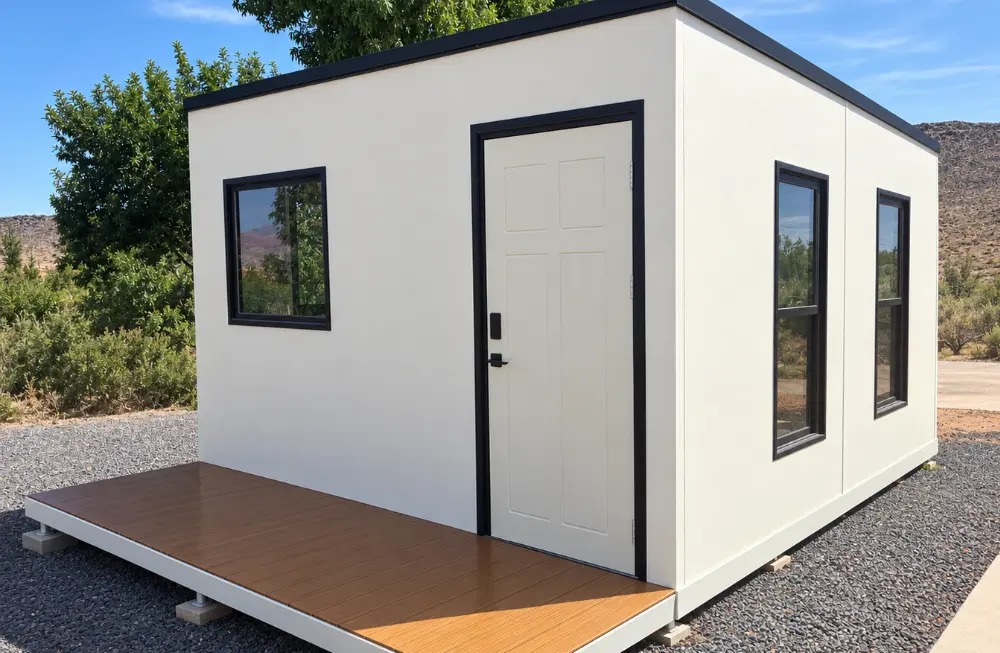
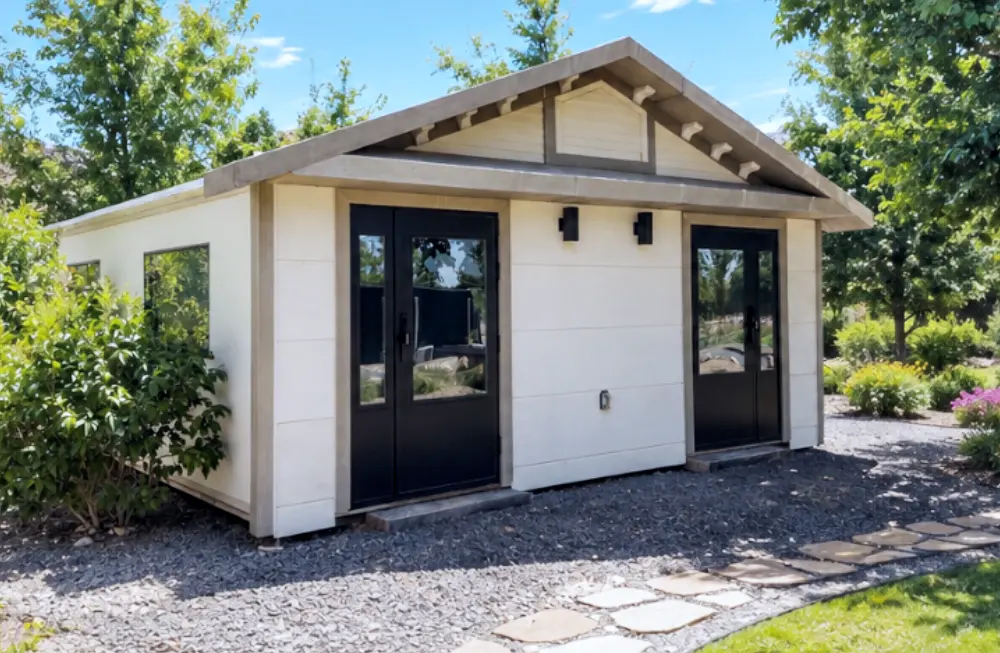
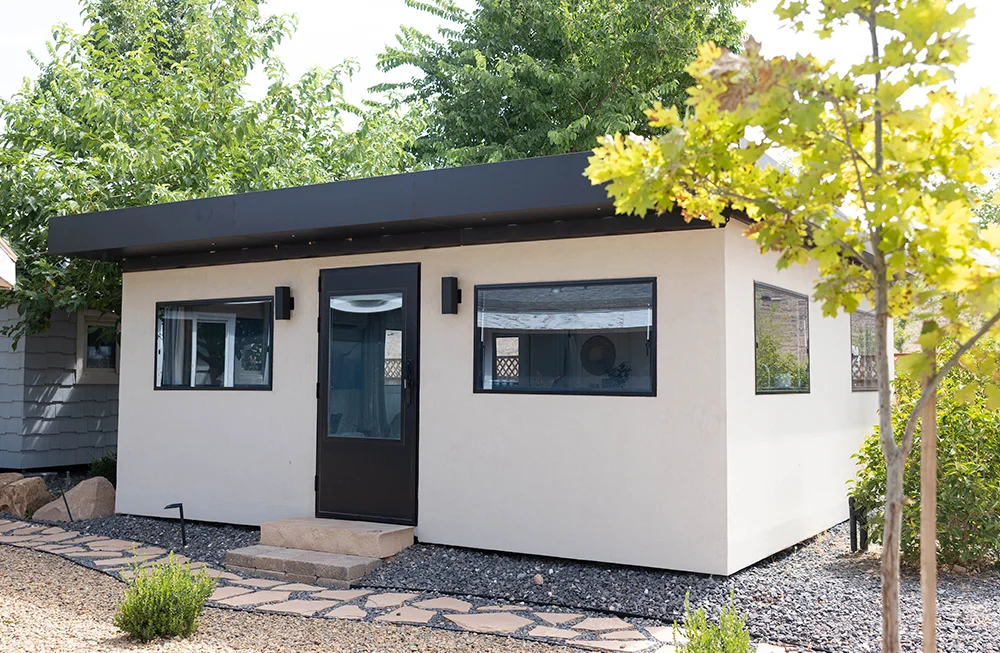
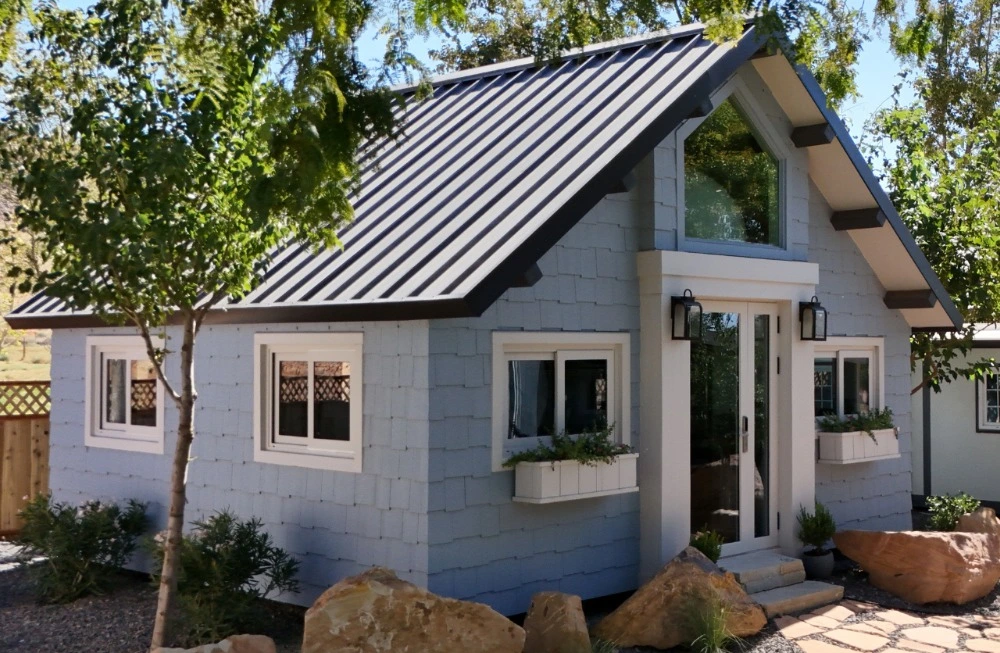
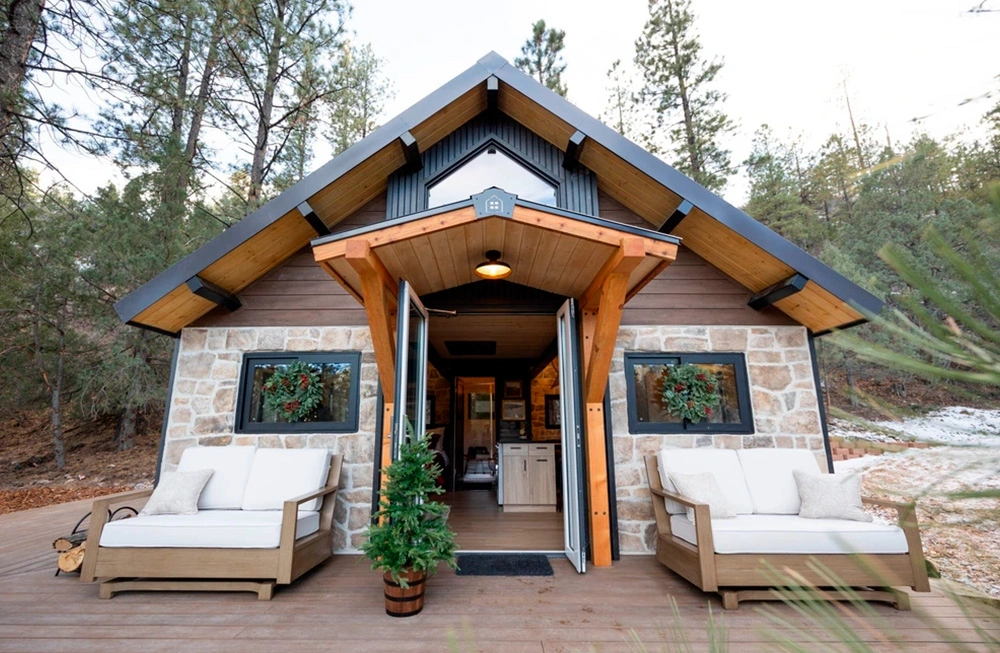
For institutional real estate developers and resort operators, the Foldable Studio ADU serves as a high-density, multi-purpose micro-housing solution. Whether deployed as backyard rental suites, workforce lodging camps, or eco-resort cabins, studio ADUs deliver high revenue per square foot with minimal site overhead.
2. Macro Procurement Shift: From Volumetric Prefab to Flat-Pack Foldable Modules
Historically, volumetric modular homes faced severe logistical bottlenecks. Shipping fully volumetric "boxes" across oceans meant paying container freight rates for empty air space. The development of the Foldable Studio ADU solves this fundamental friction point.
By engineering a structural steel hinge mechanism that allows 3D living space to fold into a 2D flat panel configuration during transit, BoxHouse allows up to two complete 280 sq ft Foldable Studio ADUs (or Duplex units) to be loaded into a single standard 40ft High Cube ocean container. This 2-in-1 shipping density provides an unmatched competitive advantage for global distributors, reducing unit logistics expense by over 50%.
3. Future Trends in B2B Modular Housing Procurement (2026–2030)
- Off-Grid Ready Infrastructure: Enterprise buyers are increasingly specifying studio ADUs equipped with factory-integrated solar PV connectors, battery storage routing, and blackwater/graywater diversion valves for instant off-grid deployment in eco-resorts and remote industrial sites.
- Hybrid Structural Frame Architecture: Transitioning from light-gauge timber to heavy hot-dipped galvanized steel frames and cold-formed structural steel profiles that eliminate warp, termite infestation, and rot while providing up to 200 mph wind rating.
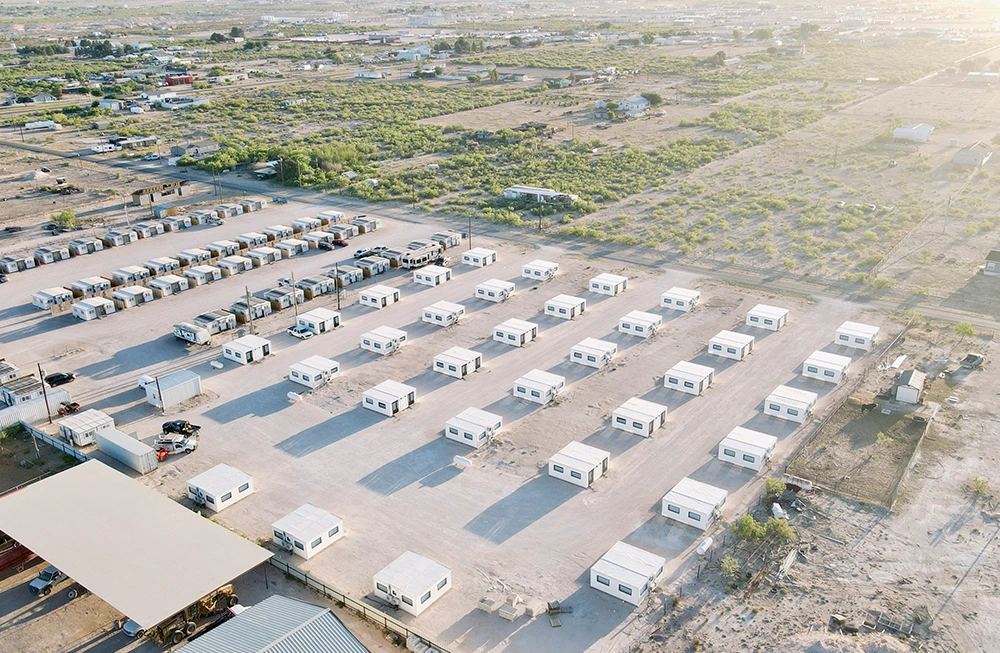
- AI-Driven Predictive Logistics & Modular Standardization: Bulk procurement contracts now leverage standardized modular units like the BoxHouse MiniBox 2026, allowing developers to scale projects from 5 units to 500 units without custom engineering lead times.
- Accelerated Capital Amortization: Traditional construction projects require 12 to 18 months before generating rental yields. Foldable Studio ADUs are commissioned within 48 hours of site delivery, allowing capital recovery to commence almost immediately.