Explore our flagship series of certified, container-shippable, and deployable modular structures designed for residential, commercial, workforce, and hospitality applications.
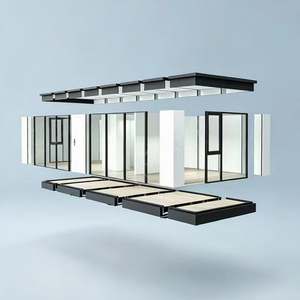
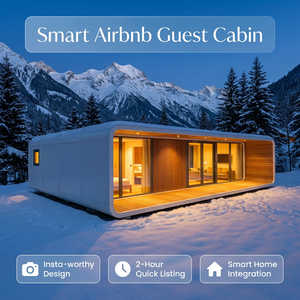
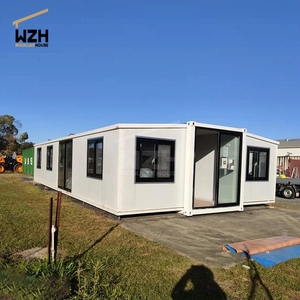
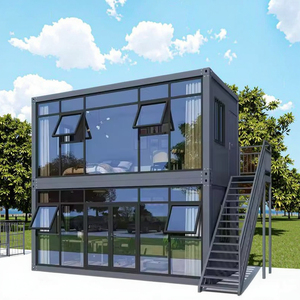
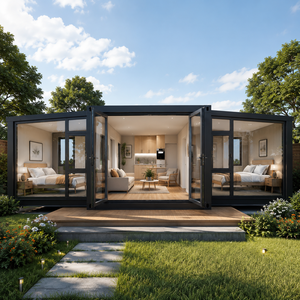
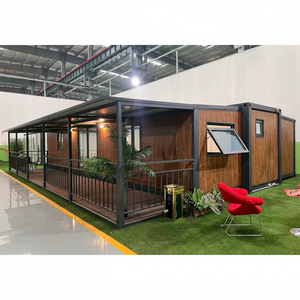
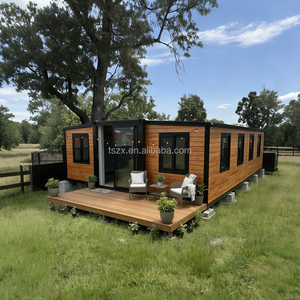
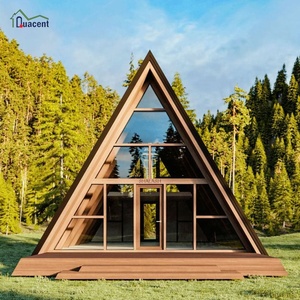
The global construction landscape is experiencing a paradigm shift driven by urban densification, labor shortages, spiraling site-built construction costs, and stringent municipal zoning overhauls. As a premier Accessory Dwelling Unit (ADU) factory and international exporter, our operations bridge the gap between architectural elegance, structural rigor, and intermodal logistical efficiency.
Unlike traditional stick-built housing, which is perpetually vulnerable to weather delays, sub-contractor scheduling friction, and material waste, factory-manufactured modern ADUs are produced within climate-controlled environments under ISO 9001 quality management protocols. Every cold-formed steel framing member, double-wing structural hinge, insulation barrier, and electrical run is calculated to millimeter precision. This systematic approach guarantees that units arrive on-site with 95% of construction completed, minimizing local disturbance and dramatically increasing return on investment (ROI) for real estate developers, hospitality operators, and public sector housing authorities.
Our manufacturing ecosystem is engineered around six technical pillars that differentiate high-grade structural modular housing from temporary shelters or repurposed ocean freight containers.
Engineered with high-tensile Q235B galvanised steel frames designed to withstand hurricane-force winds up to 200 mph (Category 5) and seismic accelerations up to Zone 8+. Ideal for coastal, island, and high-exposure deployments.
Featuring proprietary double-wing expandable and fold-flat hinged mechanisms. Documented field records prove full structure unfolding and mechanical envelope sealing in as little as 1 hour and 26 minutes post-crane placement.
Optimized dimensioning enables up to two complete, fully finished ADUs or expandable modular units to fit inside a single standard 40ft High Cube (40HQ) ocean container, cutting ocean freight costs by 50% per unit.
Compatible with relocatable helical earth screw piles for quick, eco-friendly installation without soil disruption, as well as permanent concrete slabs or pier footings for long-term residential zoning compliance.
Outfitted with factory-installed PEX plumbing, CE/UL certified electrical wiring, integrated insulation (PU/Rockwool/SIPs), double-glazed Low-E tempered glass walls, modular bathroom suites, and full kitchens.
Architectural layouts and engineering documentation engineered to align with North American International Building Code (IBC), California Title 24 energy standard, European CE mark, and Australian National Construction Code (NCC).
An engineering comparison highlighting the operational, financial, and structural superiority of factory-built off-site modular units over conventional field construction.
| Performance Matrix | Factory ADU & Expandable Pods | Conventional Site-Built ADU | Repurposed Standard Containers |
|---|---|---|---|
| On-Site Assembly Time | 1 Hour to 2 Days | 4 to 9 Months | 2 to 4 Weeks |
| Structural Frame Load | Q235B Cold-Formed Steel Chassis (200 MPH) | Timber Studs / Light Gauge Steel | Corrugated Corten Steel (Needs Cutout Reinforcement) |
| Shipping Density | Flat-Pack / Up to 2 Units per 40HQ | Raw Materials Transport (Multiple Trucks) | 1 Single Unit per Flatbed / Vessel Space |
| Thermal Envelope (R-Value) | R-19 to R-32 (Factory Injected PU / SIPs) | Varies based on Site Workmanship | Poor (High Risk of Thermal Bridging) |
| Depreciation & Relocation | 100% Relocatable / High Resale Value | Fixed Real Estate Asset | Limited Relocatability once Modified |
Strategic buyers, property developers, government agencies, and resort operators must navigate evolving market forces when purchasing prefabricated accessory dwelling units. Based on export intelligence and industrial manufacturing data, several core trends are re-shaping global B2B procurement:
Legislative shifts across major economies (such as California's SB 9/10, urban infill mandates in Canada, and granny flat relaxation policies in Australia and New Zealand) are eliminating single-family zoning constraints. Institutional capital is increasingly purchasing modular ADUs in bulk to maximize land utilization and create multi-family rental income streams on existing residential lots.
The global eco-tourism and experiential hospitality markets are abandoning permanent masonry structures in favor of futuristic, self-contained space capsules and Apple cabin pods. Featuring curved panoramic glass walls, integrated smart-home automation, and minimal site impact, these plug-and-play modular pods achieve 60–70% higher ADRs (Average Daily Rates) than traditional hotel rooms.
Industrial procurement managers are under mandate to reduce Scope 3 embodied carbon. Modern ADU factories are responding by integrating recycled steel, low-VOC interior cladding, rainwater harvesting conduits, and pre-wired solar PV micro-grid inputs, allowing units to operate completely off-grid in remote or disaster-affected regions.
Navigating cross-border procurement of heavy prefabricated structures requires strict adherence to technical parameters. As a trusted exporter, we recommend evaluating supplier capabilities across four crucial operational criteria:
Ensure the factory utilizes hot-dip galvanised steel chassis with zinc coating layers of no less than 275g/m². This prevents rust formation during ocean transit and guarantees a 50+ year structural lifespan in high-salinity coastal environments.
Verify that wall panels utilize polyurethane (PU) injection or Structural Insulated Panels (SIPs) with flame-retardant B1/A1 fire ratings, avoiding cheap EPS foam that fails thermal retention tests in extreme cold or desert environments.
Require 100% factory trial assembly, structural deflection testing, electrical circuit load testing, and high-pressure water tightness testing (simulating 1.2Mpa rainfall storm conditions) prior to crate packing and export loading.
Comprehensive answers to the primary technical, logistical, and commercial queries raised by global importers, contractors, and developers.
Consult directly with our engineering and export logistics directors. Request factory-direct pricing, BIM/CAD architectural files, structural engineering calculations, and containerized freight estimates within 24 hours.