Engineered for immediate ocean freight, rapid site unfolding, and heavy-duty performance across Brazilian terrain.
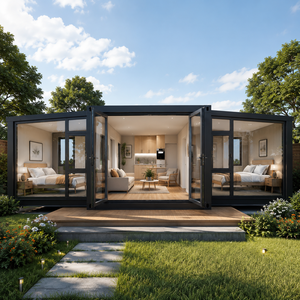
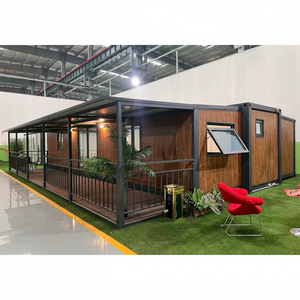
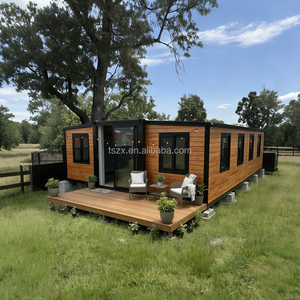
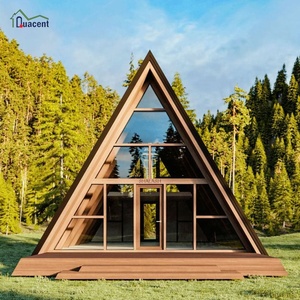
Brazil faces a unique, evolving spectrum of climate challenges and industrial development needs. From severe flooding events in southern states like Rio Grande do Sul to landslides along the coastal ranges of Serra do Mar, the demand for immediate, structural, and dignifying emergency housing has never been more critical. Traditional emergency relief tactics relying on canvas tents or temporary tarps fail to provide adequate thermal protection, security, and long-term durability in tropical and sub-tropical environments.
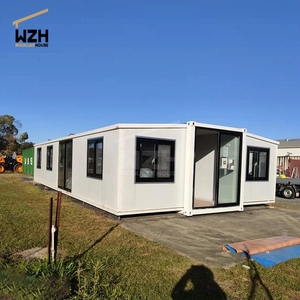
As specialized global suppliers and exporters of factory-built steel modular homes, our structural solutions bridge the critical gap between emergency response and post-disaster recovery. Engineered on precision assembly lines, our foldable container housing systems collapse into compact freight packages that fit within standard ocean shipping containers (20ft and 40ft HQ). This logistical efficiency enables disaster management agencies (Defesa Civil), non-governmental organizations, mining corporations, and infrastructure developers across Brazil to stockpile, transport, and deploy hundreds of secure living units at a fraction of standard logistics costs.
Navigating Brazilian import infrastructure requires deep operational familiarity with key maritime access points. Our export department maintains optimized shipping routes directly into Brazil’s major maritime hubs:
Six core technological choices engineered into every BoxHouse unit exported to South America.
Structural cold-formed galvanized steel chassis built to withstand severe coastal gales, tropical cyclones, and storm surges.
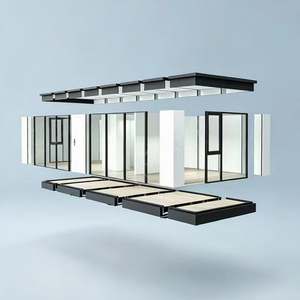
Patented hinge mechanisms collapse a 37m² to 72m² residence down to a 300mm transport profile. Two complete homes per container.
Unfolds in 1 hour 26 minutes with a standard 5-ton crane or forklift. Fully roofed, sealed, and expandable with minimal site labor.
Built using non-combustible PIR/PU sandwich panels conforming to fire safety and structural performance requirements (NBR 15575).
Hydrophobic insulation cores and continuous rubber perimeter seals prevent dampness and fungal growth in high-humidity Brazilian climates.
Can be installed on temporary helical ground screws, concrete footings, or elevated pillars for flood-prone alluvial plains.
Our exported modular housing solutions are tailored to address four primary operational profiles within the Brazilian territory:
When flash floods and mudslides inundate urban fringes in regions such as the Vale do Taquari or coastal São Paulo, public authorities require immediate, dignified shelter for displaced families. Canvas tents lack security, sanitation, and thermal insulation against tropical rainstorms. Our Double-Wing Expandable Container Houses provide self-contained family units featuring pre-installed electrical wiring, internal plumbing, full bathroom amenities, and secure lockable access, serving as high-dignity transitional homes during community rebuilding phases.
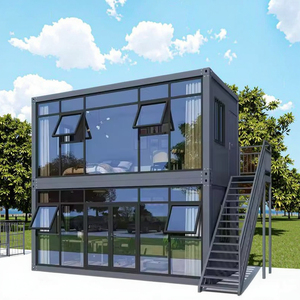
Brazil’s vast mineral extraction operations in states like Minas Gerais (Iron Quadrangle) and Pará (Carajás region) require heavy-duty, rapidly deployable workforce accommodations. Traditional site-built masonry construction is excessively slow and ecologically disruptive. Our flat-pack box houses can be stacked up to three stories high to create full workforce villages equipped with insulated dormitories, site offices, field mess halls, and medical triage centers—fully compliant with NR-18 (Occupational Health and Safety in Construction) regulations.
The rapidly expanding agricultural frontier of MATOPIBA (Maranhão, Tocantins, Piauí, and Bahia) requires agile infrastructure that moves alongside harvesting and land development cycles. Our relocatable steel-framed modules can be transported via flatbed truck across unpaved rural roads, deployed on helical earth screws without permanent ground scarring, and relocated once field operations shift.
To support Brazil’s Unified Health System (Sistema Único de Saúde - SUS) during regional health emergencies or seasonal disease outbreaks, our modular structures serve as self-contained medical clinics. The washable, antimicrobial interior wall surfaces, integrated HVAC ducting ports, and water-tight sanitary hookups allow healthcare operators to set up functional isolation wards and vaccination stations within hours of arrival on site.
To assist procurement managers, municipal engineers, and humanitarian directors in making evidence-based sourcing decisions, the table below compares traditional construction methods against our factory-built expandable modular technology.
| Performance Metric | Canvas & Vinyl Tents | Standard Modified ISO Containers | BoxHouse Expandable Modular Systems |
|---|---|---|---|
| On-Site Assembly Time | 1 to 3 Hours | Requires Heavy Crane (4-6 Hours) | 1 Hour 26 Mins (Unfold) |
| Shipping Density | High Density / Low Durability | 1 Unit per Freight Slot | Up to 2 Complete Units per Container |
| Wind & Storm Load Rating | < 60 km/h (Vulnerable) | 200 km/h | Up to 320 km/h (Tested Structural Steel) |
| Thermal Envelope (R-Value) | Negligible (Extremely Hot/Cold) | Low unless retrofitted (R-5) | R-18 to R-24 (PIR / PU Core Panels) |
| Expected Service Life | 3 to 12 Months | 15+ Years | 25+ Years (Galvanized Chassis) |
| Sanitation & Plumbing | External Communal Latrines | Custom Retrofit Required | Pre-Installed Internal Bathroom & Kitchen |
Direct importing of prefabricated modular housing into Brazil requires strict adherence to international trade codes and local structural standards. As experienced global exporters, we provide complete technical documentation packages to streamline customs clearance through Siscomex (Sistema Integrado de Comércio Exterior).
Our expandable modular houses and emergency shelters are classified under HS Code 9406.90.20 (Prefabricated Buildings with Steel Framing). This clear customs tariff categorization helps Brazilian buyers minimize clearance delays and correctly apply Mercosur Common External Tariff (AEC) duty structures.
Every shelter manufactured for export to South America undergoes rigorous quality control to align with local Brazilian building codes:
Technical and logistical insights for procurement directors, government agencies, and B2B importers.
Production cycles at our factory operate on standard 15-to-20-day timelines for volume orders (20 to 100 units). Ocean transit from primary exporting ports to major Brazilian sea hubs (Santos, Paranaguá, Rio Grande) typically ranges between 28 and 35 transit days. For urgent disaster response directives, emergency inventory can be dispatched within 72 hours of contract execution.
Our homes feature high-density Polyurethane (PU) or Polyisocyanurate (PIR) insulated sandwich panel walls with a choice of 50mm to 100mm thickness. Combined with double-glazed windows and a seamless pitched roof design, heat transfer is drastically reduced, lowering air conditioning energy consumption by up to 40%. Waterproof rubber sealing gaskets ensure zero water ingress during torrential downpours.
No complex construction machinery is needed. The primary requirement is a standard 5-ton crane, boom truck, or heavy forklift to position the central container chassis. Once positioned, a crew of 4 workers can manually pull out the side wings, lock the structural columns, and extend the hinged roof sections using standard hand tools in less than two hours.
Yes. All electrical wiring runs inside conduit channels embedded in the structural panels and terminates at a central breaker panel. Units can be seamlessly connected to local grid power, diesel generator sets, or off-grid solar PV arrays with battery energy storage systems (BESS), making them completely autonomous for jungle or rural site deployments.
A continuous concrete slab is not required. For rapid or temporary deployment, units can be set on level concrete pads, timber sleepers, or adjustable steel helical ground screws. Ground screws are especially recommended for uneven terrain, mud-prone soils, or environmentally sensitive zones where ground excavation is restricted.
Whether you are preparing a municipal emergency management stockpile, designing a remote mining camp, or developing a modular housing project in Brazil, our engineering team is ready to assist with technical drawings, freight estimates, and bulk pricing.