South Africa Export Grade Structural Solutions

High-Wind Resistant Prefab Homes Factory & Exporters

Engineered Prefabricated Models for South African Markets

Factory-built, hurricane/cyclone rated modular structures engineered for rapid sea-freight deployment to Cape Town, Durban, and inland SADC destinations.
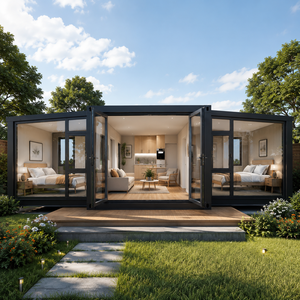
Luxury Prefabricated House Space Capsule Camping Small House Modular Container House
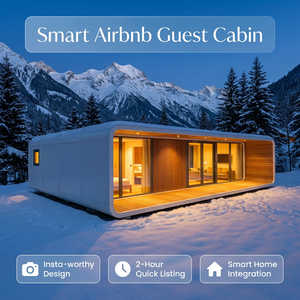
Luxury Prefabricated Space Capsule Camping Modular House
Modern Luxury Mobile Pod Tiny Home Outdoor Office Glass Capsule House Apple Cabin
Modern Mobile Pod Outdoor Glass Capsule Apple Cabin
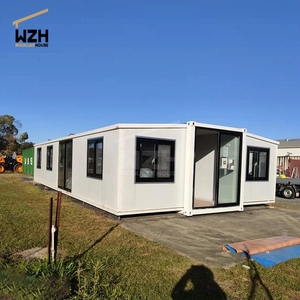
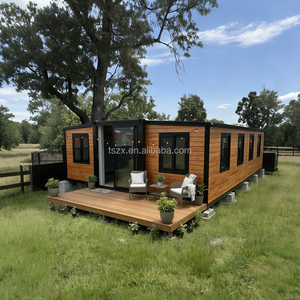
40Ft Luxury Expandable Container House 72 Sqm Mobile Home with Kitchen Toilet
40Ft Luxury Expandable 72 Sqm Container Home with Kitchen & Bath
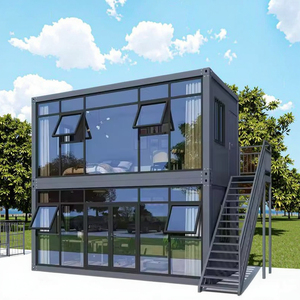
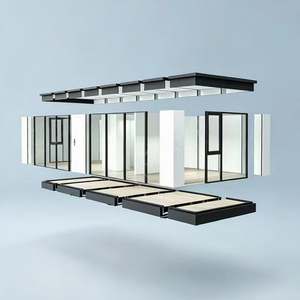
Export Container Renovation Office Hotel Quick Assembly Box House
Export Quick Assembly Detachable Box House Office/Hotel
20Ft 40Ft Double Wing Expandable Container House Prefab Modular Home
20Ft/40Ft Double Wing Expandable 2-3 Bedroom Modular Home
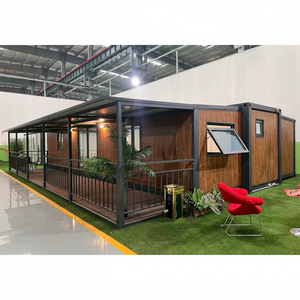
High Quality Container Expandable Prefab Granny Flat Mobile Home Casa Contenedor
High Quality Expandable Granny Flat Steel Frame Modular Villa
Complete Prefab 20Ft 30FT 40Ft Expandable Container Home Bathroom Foldable House
Complete Turnkey Expandable Foldable Modular House with Bathroom
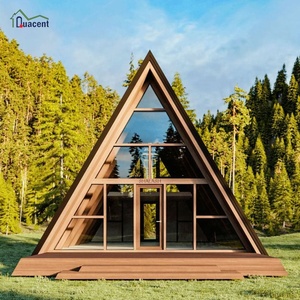
Quacent Luxury Sips A Frame Low-rise Villa Heat-insulated Modular Home Tiny House
Luxury SIPs A-Frame Heat-Insulated Modular Triangle Villa
200 km/h+
Wind Rating (Category 5 Equivalent)
SANS 10160
Structural Loading Compliant Engineering
1 hr 26m
Recorded On-Site Deployment Time
2 Units / 40HQ
Optimized Ocean Logistics Density

Engineered Strength for South Africa's Hardest Climates

From the storm-swept coastlines of the Western and Eastern Cape to the scorching heat of the Kalahari, our structural steel modular homes are built to endure extreme environmental stress.

Aerodynamic Wind Shear Resistance

Engineered using computer-modeled finite element analysis (FEA) to safely deflect high-velocity wind loads exceeding 200 km/h. Structural framing prevents positive/negative wind pressure uplift during coastal gales.

Heavy-Gauge Galvanized Steel Chassis

Built with hot-dipped zinc-galvanized cold-formed steel chassis (minimum Z275 coating) providing marine-grade anti-corrosion performance (C4/C5 rated) essential for salty, humid South African coastal zones.

Thermal Insulation (SANS 10400-XA)

High-density Polyurethane (PUR) or Rockwool core sandwich panel walls deliver exceptional R-values, drastically lowering HVAC energy costs and supporting complete off-grid solar microgrid integration.

Technical Whitepaper: High-Wind Resistant Modular Housing Deployment across South Africa

South Africa represents one of the most demanding geographic environments for structural housing on the African continent. The country’s diverse meteorological profile ranges from coastal maritime gale zones in the Western Cape (notoriously swept by the "Cape Doctor" south-easterly winds reaching sustained forces of 100 to 140 km/h) to high-altitude Highveld electrical storms, severe hail, and sub-zero thermal drops in the Drakensberg mountain corridors. Commercial real estate developers, eco-resort operators, agricultural enterprises, and mining companies face a dual challenge: traditional brick-and-mortar masonry construction is increasingly prohibitively expensive, slow, and labor-intensive, while cheap temporary shelters fail under severe South African weather conditions.

As a specialized factory manufacturer and direct global exporter, our high-wind resistant prefabricated homes directly solve these structural and logistical bottlenecks. Designed around standard ISO container shipping dimensions, our expandable and modular capsule units fold flat for transport and rapidly expand on-site, combining structural steel integrity with architectural precision.

1. Structural Engineering & Wind Load Resistance (SANS 10160 Alignment)

Structural integrity in high-wind zones depends on shear wall stiffness, moment-resisting frame connections, and perimeter anchoring systems. Our prefabricated homes are engineered around a structural steel chassis utilizing high-tensile Q235B/Q355B cold-formed steel profiles. When deployed in wind-exposed regions such as Gqeberha (Port Elizabeth), Cape Town's Atlantic Seaboard, or KwaZulu-Natal's North Coast, structures must withstand intense dynamic pressure ($q_k$).

Key Structural Specifications for Exporting to SA:

  • Wind Load Velocity Rating: Rated up to 0.85 kN/m² dynamic wind pressure, withstanding gusts up to 200 km/h (Category 5 hurricane/cyclone equivalent).
  • Earthquake/Seismic Resistance: Seismic performance rated to Zone 8 structural stability standards.
  • Roof Load Capacity: Engineered for up to 1.5 kN/m², comfortably accommodating solar PV arrays, rainwater collection loads, or heavy mountain snowpacks.
  • Anti-Corrosion Specification: Dual-layer epoxy zinc-rich primer with polyurethane topcoat over Z275 hot-dip galvanization, preventing salt-spray degradation within 500 meters of the coastline.

2. Localized Application Scenarios in the South African Market

Our client base across South Africa leverages our factory-built modular structures across four distinct high-growth sectors:

  • Hospitality & Eco-Tourism Resorts (Cape Winelands, Garden Route, Kruger Outer Fringes): Luxury Space Capsules and A-Frame SIPs Villas provide zero-impact, high-yield lodging units for wilderness glamping sites and coastal boutique hotels. They can be set up on temporary earth screws without disrupting indigenous vegetation or requiring heavy concrete pouring.
  • Agricultural & Remote Mining Workforce Accommodation (Northern Cape, North West, Limpopo): Robust expandable container units (20ft and 40ft double-wing configurations) allow rapid creation of scalable multi-bedroom living quarters. Units feature integrated kitchens and ablution facilities, sealed tightly against red-dust ingress and nocturnal temperature drops.
  • Urban Backyard ADU & Residential Densification (Gauteng & Cape Town Metro): To address urban housing backlogs and create rental yields, homeowners utilize our MiniBox and 2BR Bungalow units as backyard accessory dwelling units (ADUs). The rapid assembly footprint avoids months of suburban construction disturbance.
  • Off-Grid & Load Shedding Resilient Housing: Every factory-built module leaves our assembly line pre-wired with sub-distribution boards, LED circuitry, and dedicated breaker channels ready for immediate plug-and-play pairing with South Africa's popular hybrid solar inverter systems (e.g., Sunsynk, Victron, Deye) and lithium iron phosphate (LiFePO4) storage banks.

3. Localized Prefabricated Housing Trends in Southern Africa

The Southern African construction ecosystem is experiencing a rapid paradigm shift toward modern methods of construction (MMC). Key market drivers include:

  1. Escalating Traditional Building Costs: On-site brick-and-mortar building costs in South Africa have risen dramatically due to material supply chain bottlenecks and labor inefficiencies. Prefabricated factory manufacturing guarantees fixed pricing and eliminates on-site waste.
  2. Demand for Speed-to-Revenue: Hospitality developers cannot afford 12–18 month site builds. Our expandable 40ft units deploy on-site within hours, moving from crane placement to occupancy readiness in under two days.
  3. Off-Grid Autonomy: Municipal infrastructure limitations mean modern buyers demand off-grid independence. Factory-fitted low-flow plumbing, greywater separation readiness, and insulated thermal envelopes (reducing air conditioning loads by up to 40%) make our units the ideal baseline for off-grid living.

4. Corporate Manufacturing Superiority & Direct Export Capability

Partnering directly with our manufacturing plant provides South African business buyers, contractors, and importers with significant advantages over local distributors:

  • 2,000+ Global Units Delivered: Proven manufacturing track record across North America, Australasia, Europe, and the African continent.
  • Uncompromising Quality Control: Built indoors on ISO 9001-certified assembly lines, eliminating moisture contamination, material weathering, or timber warp during framing.
  • Ocean Freight Logistics Optimization: Our proprietary folding mechanisms allow up to two complete 380–430 sq ft units to be flat-packed into a single 40ft High Cube container, reducing per-unit sea freight rates to Durban or Cape Town harbor by over 50%.

Frequently Asked Questions by South African Buyers

Clear, direct answers regarding logistics, SANS compliance, off-grid installation, and structural durability.

How do your prefabricated homes handle severe South African coastal winds?
Our homes feature a cold-formed structural steel chassis integrated with high-shear wall framing. Engineered to withstand dynamic wind pressures up to 200 km/h, they effortlessly endure Cape Town's South-Easters, West Coast gales, and Kwazulu-Natal coastal storms when securely anchored to helical ground screws or engineered concrete pads.
What ports in South Africa do you ship to, and how are units cleared?
We ship directly via ocean freight to all primary South African ports, including the Port of Durban, Port of Cape Town, and Coega (Gqeberha). Units ship inside standard 40ft High Cube containers. We provide full bill of lading (B/L), commercial invoice, packing lists, and structural test documentation for rapid customs clearance via your chosen local clearing agent.
Are these modular units compatible with South African solar and off-grid power systems?
Yes. All units come pre-wired to international electrical standards with conduits, breaker boxes, and wall sockets. They are 100% plug-and-play compatible with South African 230V 50Hz single-phase electrical standards and connect directly to solar inverters, lithium battery banks, or generator inputs to mitigate Eskom load shedding interruptions.
What type of foundation is required for installation?
Permanent foundations like concrete strip footings or slabs can be used, but they are not mandatory. For rapid deployment, eco-resorts, or temporary mining camps, units can be set up on helical earth screws or engineered concrete piers, minimizing site disruption and allowing future relocation.
How quickly can a unit be set up after arriving on site?
Our expandable container units hold a documented full structural deployment record of 1 hour and 26 minutes using a standard truck crane and a crew of 3-4 workers. Electrical and plumbing hookups can be completed the same day.
How do polyurethane (PUR) sandwich panels perform in extreme hot/cold climates?
PUR and Rockwool cores provide low thermal conductivity ($k$-value), keeping interior spaces cool during 40°C+ summer days in Limpopo/Northern Cape and warm during freezing Highveld winters, while dramatically minimizing air conditioning power usage.

Ready to Export High-Wind Prefab Homes to South Africa?

Contact our engineering export team today to receive detailed technical datasheets, CAD floor plans, pricing tiers, and container shipping schedules for your destination port.

Get Catalog