Precision-engineered foldable, expandable, and modular steel structures optimized for standard sea container shipping and rapid site deployment in Nigeria.
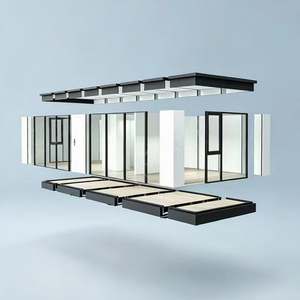
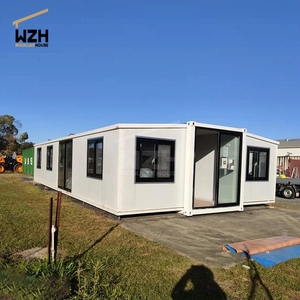
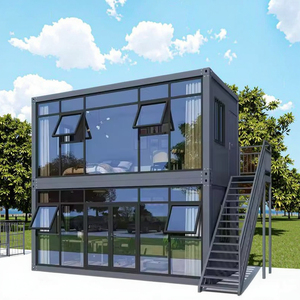
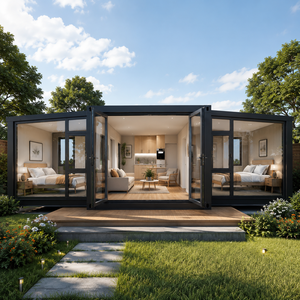
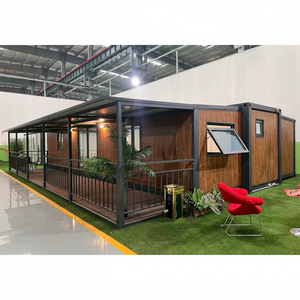
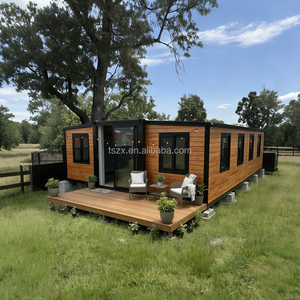
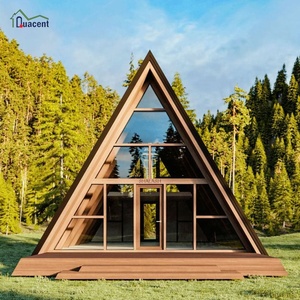
The Federal Republic of Nigeria, as Africa’s largest economy and most populous nation, faces an unprecedented structural requirement for scalable housing solutions. Driven by intense urbanization across hubs like Lagos, Abuja, and Port Harcourt, alongside pressing humanitarian needs in the North-East and infrastructure expansion in the Niger Delta, traditional masonry construction methods fail to keep pace with demand. Conventional wet-construction processes suffer from extended project timelines, supply chain inflation, material wastage, and extreme vulnerability to seasonal weather disruptions, such as West African torrential rains.
To bridge this gap, federal agencies, international humanitarian non-governmental organizations (NGOs), energy sector operators, and private real estate developers are shifting toward factory-built, rapid-deployment emergency housing systems. By leveraging advanced OEM (Original Equipment Manufacturer) and ODM (Original Design Manufacturer) manufacturing workflows, structural prefabricated units are completely fabricated within controlled factory environments, flat-packed for maximum ocean-freight density, and shipped directly to Nigerian ports for immediate overland dispatch.
Deploying rapid emergency housing and modular infrastructure in Nigeria requires a deep understanding of unique localized variables, ranging from climatic stress to customs clearing logistics. Modern procurement frameworks are defined by four core market trends:
Seasonal flooding along the Niger-Benue river basins and coastal surges in Bayelsa and Lagos demand structures elevated off ground levels. Foldable and expandable steel-framed units integrate seamlessly with helical screw piles or raised concrete piers, allowing rapid installation in flood-prone terrain without structural degradation.
Given the ongoing grid reliability challenges across rural and peri-urban Nigeria, emergency shelters must operate independently. OEM designs now integrate pre-wired solar PV raceways, micro-grid connectors, inverter bays, and low-voltage DC LED lighting circuits directly into wall cores before factory dispatch.
Shipping to Apapa, Tin Can Island, or Onne ports involves complex logistics. Our factory-engineered flat-pack and foldable mechanics allow up to two complete 380–430 sq ft residential units to ship inside a single 40ft HQ container, cutting sea freight costs by 50% per square meter.
Our state-of-the-art manufacturing facilities bridge the gap between architectural customization and mass assembly-line speed. Operating strictly under ISO 9001:2015 quality management protocols, every rapid-deployment shelter undergoes comprehensive structural stress analysis, hydrostatic waterproofing verification, and high-temp paint curing.
Built using high-grade Q235B/Q345B steel chassis with heavy-duty hot-dip galvanization coating (≥275g/m²). Designed specifically to withstand high-salt marine atmospheres in coastal zones like Lekki, Bonny Island, and Warri without rusting.
Wall and roof cores utilize fire-retardant Polyurethane (PU) or rockwool sandwich panels (density ≥ 50 kg/m³) featuring low thermal conductivity ($K$-value ≤ 0.024 W/mK), maintaining internal living temperatures 8–12°C cooler than ambient outdoor African heat.
From floor plans to interior partition walls, window configurations, electrical wiring systems (UK Standard 230V BS 7671 compliant for Nigeria), and external aesthetic cladding, our engineering team tailors builds to project specs.
In regions affected by displacement or natural disasters (such as Borno, Adamawa, Yobe, or Benue), long-term humanitarian response requires dignified, lockable, weatherproof housing. Our expandable 20ft/40ft units unfold in under 90 minutes using basic mechanical cranes, providing immediate multi-room shelter with self-contained sanitary facilities.
Energy operators in offshore supply bases and swamp extraction sites require heavy-duty crew accommodations that can be repeatedly relocated. Structural box houses and double-wing expandable units serve as operational offices, accommodation blocks, and secure mess halls engineered to withstand 200 MPH coastal wind gusts.
With expanding solid mineral extraction across North-Central Nigeria and large-scale road construction projects nation-wide, contractors require reusable modular dormitories. Detachable quick-assembly box houses provide clean, air-conditioned quartering for engineers and field labor with low lifecycle deployment costs.
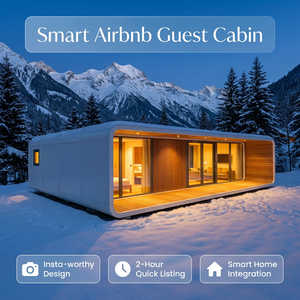
In booming urban ecosystems like Lagos and Abuja, property owners utilize our modern Space Capsule Pods and Apple Cabins as rental annexes, backyard offices, boutique eco-resort villas, and high-margin short-term vacation rentals.
| Performance Parameter | Traditional Site-Built Masonry | Converted ISO Containers | BoxHouse Foldable Steel Modular |
|---|---|---|---|
| On-Site Assembly Speed | 6 – 12 Months | 1 – 2 Weeks | 1.5 – 3 Hours per Unit |
| Shipping Density (40ft HQ) | N/A (Raw Materials Only) | 1 Unit per Freight Leg | Up to 2 Complete Homes |
| Thermal Comfort (U-Value) | Poor (High Thermal Mass) | Extremely Hot (Metal Shell) | Superior (PU Core Insulation) |
| Wind & Seismic Load Rating | Variable / Site-Dependent | High Structural Rigidity | 200 MPH / Seismic Zone 8 |
| Relocability Potential | 0% (Permanent Structure) | Moderate (Heavy Crane Required) | 100% Foldable & Re-shippable |
| Estimated Lifespan | 50+ Years | 15–20 Years (Corrosion Risk) | 30–50+ Years (Galvanized Steel) |
Yes. All our factory manufacturing output for the Nigerian market strictly complies with Standards Organisation of Nigeria Conformity Assessment Program (SONCAP) requirements. We provide full ISO documentation, product certificates (PC), and SONCAP Certificates (SC) to facilitate smooth customs clearance at Apapa, Tin Can, or Onne ports.
Our steel framework is subjected to heavy-duty hot-dip galvanization (≥275g/m² zinc coating) and coated with marine-grade fluorocarbon anti-corrosion paint. This prevents oxidation, rust, and salt-spray erosion even when placed directly in coastal or swamp environments.
Unlike heavy concrete traditional buildings, expandable and foldable container homes require minimal ground prep. They can be set directly on simple concrete piers, leveled gravel beds, or removable helical earth screws—making them ideal for swampy terrain or temporary sites where permanent foundations are banned.
Absolutely. As a direct OEM/ODM factory, we pre-install internal wiring compliant with UK/BS 7671 electrical standards (Type G 3-pin sockets, 220V/50Hz), along with integrated PPR plumbing networks ready for immediate hookup to municipal water lines, elevated tanks, or septic units.
Our automated roll-forming and welding production lines yield a capacity of over 30 units daily. Standard factory production lead time for a 50-unit order is approximately 15–20 days, followed by direct container loading and ocean transit to West Africa.
Whether you are managing a large-scale emergency relief initiative, establishing oilfield worker camps, or developing high-yield residential modular units in Nigeria, our engineering team is ready to deliver.
Inquire Now