Factory-engineered steel structures optimized for containerized sea freight, rapid on-site unfolding, and extreme tropical climate resilience in remote Philippine projects.
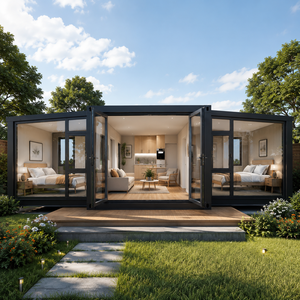
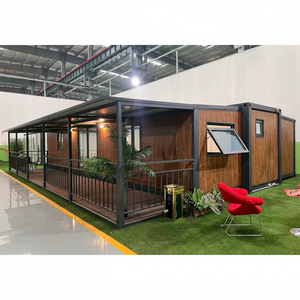
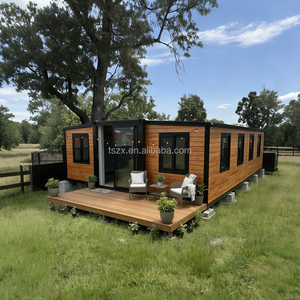
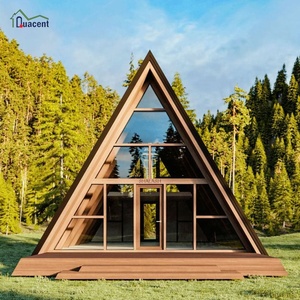
Managing remote workforce accommodation across the 7,641 islands of the Philippines presents extreme logistical, climatic, and financial challenges. Traditional masonry construction is chronically plagued by supply chain delays, sea-barge transport restrictions, localized labor shortages, and vulnerability to severe weather events. As a leading manufacturer and exporter of factory-built, foldable, steel-framed modular housing platforms, we provide direct structural solutions tailored specifically to the geography and procurement ecosystem of the Philippines.
The Philippines sits directly within the Pacific Typhoon Belt, experiencing an average of 20 tropical cyclones annually. Conventional temporary camps and stick-built site offices suffer catastrophic failures under high wind loads. Our engineered foldable steel-framed housing units utilize cold-formed high-strength Q235B steel chassis systems, structural perimeter beams, and continuous perimeter interlocking joints.
Calculated and simulated to withstand wind pressures equivalent to 200 mph (Category 5 Super Typhoons), the structural skeleton distributes lateral wind loads directly into ground anchor systems or foundation footings, guaranteeing life safety and long-term asset preservation for mine sites, renewable energy installations, and disaster recovery camps.
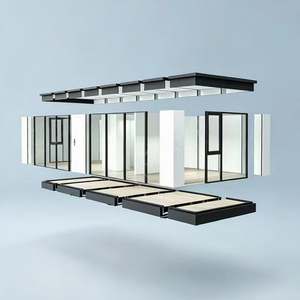
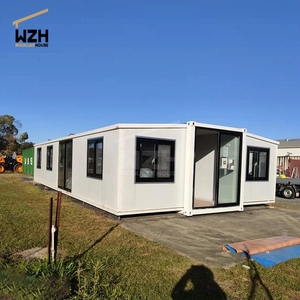
Inter-island transport is a major cost driver for remote operations in Palawan, Mindanao, Visayas, and Northern Luzon. Traditional pre-assembled modular cabins occupy immense cubic volume, driving up freight costs. Our patented folding structural hinge technology allows each completed residential pod—including roof panels, floor structures, fully integrated wiring, and wall systems—to collapse flat.
In mining exploration, infrastructure expansion (Build Better More Initiative), or disaster relief operations, delayed workforce housing directly translates to costly operational downtime. While stick-built site accommodation requires months of site clearing and timber framing, our factory-built modular platforms deploy on site in hours:
Our verified deployment benchmark demonstrates a full structural unfold of a double-unit housing pod in 1 hour and 26 minutes using a standard mobile crane and a four-person rigging crew. Electrical sub-panels, plumbing manifolds, ceiling fixtures, and insulated wall panels come pre-installed and pre-tested directly from our automated production line.
Modular structural solutions tailored for severe environments, remote industries, and rapid infrastructure expansion.
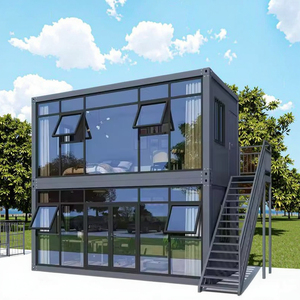
High-density, multi-bedroom expandable housing modules designed for rugged terrain in Surigao, Benguet, and Zambales. Features heavy-duty washable interior surfaces, integrated HVAC trunking, localized septic hookups, and multi-bed dorm layouts built for heavy shift-work utility.
Immediate emergency shelter deployment for LGUs (Local Government Units), DSWD response teams, and international humanitarian agencies across cyclone corridors. Units serve as resilient emergency medical clinics, field command centers, and temporary family housing.
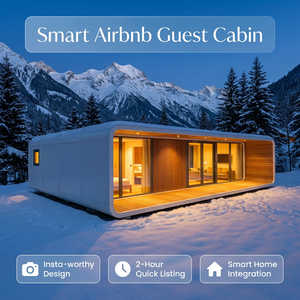
Aesthetics meet coastal durability in Siargao, El Nido, Boracay, and Coron. Modern space capsules, glass-fronted luxury cabins, and expandable A-frame cottages provide premium staff accommodation or fast-ROI guest glamping pods without disrupting sensitive coastal ecosystems.
Thermally insulated modular cabins engineered to house sensitive telecommunications monitoring equipment, micro-grid battery storage systems, and field technician quarters in high-humidity solar and geothermal energy farms across Luzon and Negros.
The Philippine government's aggressive push toward decentralized infrastructure—expanding regional airports, sea ports, cross-island bridges, and expressway networks—requires mobile, high-density workforce accommodation. Major concessionaires and international EPC contractors are shifting away from disposable wooden barracks toward reusable steel modular housing platforms that can be dismantled and transported from completed road packages to new infrastructure corridors.
The Philippine tropical marine atmosphere (C5-M corrosion rating near coastlines) rapidly deteriorates standard mild steel and low-grade sandwich panels. Modern procurement officers are demanding fluorocarbon-coated galvanized steel frames combined with high-density polyurethane (PU) or hydrophobic rockwool core insulation panels. These materials drastically reduce air conditioning power consumption—a vital advantage in remote areas relying on expensive diesel generators.
As business process outsourcing (BPO) and IT operations expand beyond Metro Manila into secondary and tertiary cities (Next Wave Cities like Iloilo, Cagayan de Oro, and Bacolod), rapid-assembly modular commercial offices and staff residences provide operational flexibility without long-term commercial lease lock-ins.
An objective engineering comparison for Philippine procurement directors and project managers.
| Evaluation Parameter | Factory Steel Foldable Modular | Traditional On-Site Masonry | Conventional Flat-Pack Container |
|---|---|---|---|
| Typhoon Wind Resistance | Up to 200 MPH (Super Typhoon) | High (If Reinforced Concrete) | Moderate (70-90 MPH) |
| Inter-Island Logistics Efficiency | Excellent (2 Units per 40ft HQ) | Poor (Bulk Materials Freight) | Moderate (1 Unit per Container) |
| On-Site Assembly Velocity | Under 2 Hours per Module | 3 to 6 Months | 1 to 2 Days |
| Marine Air Corrosion Resistance | C5-M Galvanized / Polyurethane | High Resistance | Prone to Frame Rust |
| Relocability & Asset Re-use | 100% Foldable & Relocatable | 0% (Permanent Demolition) | Limited Re-assembly cycles |
| Foundation Requirement | Helical Screws or Concrete Piers | Deep Excavation & Slab | Compact Gravel or Piers |
Addressing critical logistical, engineering, and regulatory questions for Philippine importers and project engineers.
As a premier global supplier and exporter of factory-built modular homes, our manufacturing facilities operate under strict ISO 9001:2015 quality management protocols. Every housing pod that rolls off our assembly line undergoes stringent structural load testing, rain chamber waterproof verification, and electrical safety validation prior to container packing.
We do not simply ship flat-pack boxes; we provide a fully supported engineering ecosystem: