Standardized ISO-container compliant modular cabins, studio flats, and luxury capsules pre-engineered in China for ocean freight to Tanger-Med & Casablanca ports.
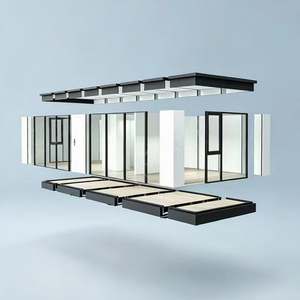
Futuristic aluminum-clad studio capsule featuring panoramic curved glass, integrated smart home HVAC, double-sealed thermal skin, and heavy-duty galvanized structural chassis.
Contact Us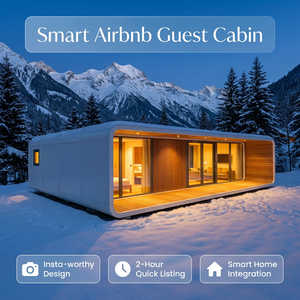
Sleek Apple-style exterior studio pod ideal for boutique Moroccan resort suites, backyards, or executive garden offices. Factory-fitted electrical and full glazing.
Contact Us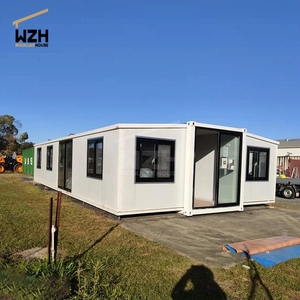
72m² large-format expandable studio/apartment unit. Unfolds on site in under 2 hours, featuring a integrated full bathroom, modern kitchenette, and pre-wired solar readiness.
Contact Us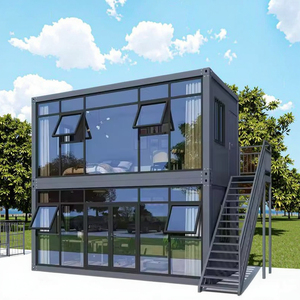
Heavy-duty modular flat-pack unit engineered for rapid site workforce camps, emergency mountain accommodation, and economical regional office installations.
Contact Us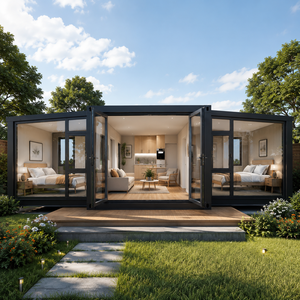
Innovative dual-wing folding structure maximizing usable living footprint while maintaining standard shipping container transport dimensions. Ideal for multi-bedroom setups.
Contact Us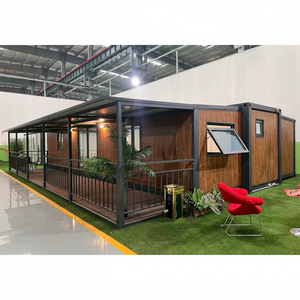
Versatile steel chassis modular unit rated for high wind loads (up to 200 mph) and high seismic resistance. Optimized for fast-track resort developments and worker lodging.
Contact Us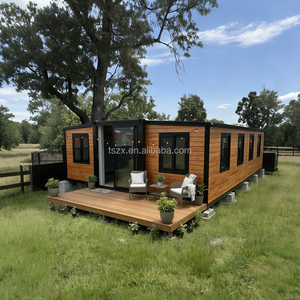
All-in-one factory integrated foldable studio unit with pre-installed plumbing, waterproof flooring, wall insulation, and complete sanitary fixtures for fast deployment.
Contact Us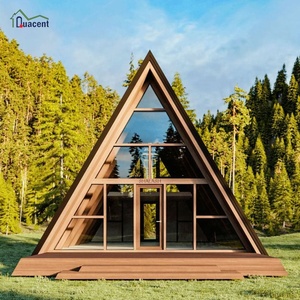
Architectural A-frame insulated studio cabin built with high-R Structural Insulated Panels (SIPs). Outstanding thermal insulation tailored for Atlas Mountain climates.
Contact UsIndoors automation manufacturing ensures zero weather degradation during production, yielding +/- 1mm dimensional tolerance across structural frame welds.
Advanced foldable steel frame kinematics allow up to two complete 72m² expanded studios or four flat-pack modules inside a single 40ft HQ container.
Q235B/Q355B galvanized structural chassis treated with ISO 12944 C4-class anti-corrosion coating, certified under RPS 2011 Moroccan seismic standards.
Morocco is undergoing an unprecedented modernization in structural development, driven by ambitious national initiatives including Morocco Vision 2030, preparation for the 2030 FIFA World Cup, massive tourism expansions in coastal zones, and urgent rural housing reconstruction following mountain seismic events. Traditional site-built masonry construction face growing bottlenecks: rising local material costs, skilled labor shortages, extended construction timelines (12 to 18 months), and environmental disruption in sensitive eco-zones.
To bridge this structural gap, real estate developers, hospitality group operators, agricultural enterprises, and municipal agencies in Casablanca, Marrakech, Agadir, Tangier, and Ouarzazate are increasingly sourcing factory-built prefabricated studio units from premier Chinese manufacturers. Offsite industrialized building systems (IBS) cut site assembly times by up to 80%, providing fully finished, plug-and-play living and commercial modules engineered directly for North Africa's unique environmental and regulatory conditions.
Information Gain Key Takeaway: Chinese prefabricated studio units exported to Morocco are no longer temporary shelters. Modern iterations utilize cold-formed structural steel (CFS) frames, polyurethane (PU) or rockwool sandwich panel envelopes, thermal break double glazing, and integrated solar-ready electricals that meet Moroccan Réglementation Thermique du Bâtiment au Maroc (RTCM) standards while remaining 35-50% more cost-effective than local wet-construction builds.
Evaluating procurement decisions requires a rigorous engineering comparison across structural performance, logistics cost, thermal efficiency, and deployment velocity:
| Engineering Metric | China Factory Prefab Studio Unit | Traditional Moroccan Masonry (Béton) | Strategic Advantage |
|---|---|---|---|
| Deployment Velocity | 1 to 3 days (Unfold & Hookup) | 8 to 14 months | 90% Faster Revenue / Occupancy |
| Seismic Performance | Zone 3 & 4 Rating (RPS 2011 / Eurocode 8) | Brittle masonry subject to cracking | Ductile steel frame absorbs seismic shear forces |
| Thermal Insulation (U-Value) | 0.22 - 0.35 W/m²K (Polyurethane / SIP core) | 1.20 - 1.80 W/m²K (Standard hollow block) | Complies directly with RTCM thermal codes |
| Shipping Density | Up to 2-4 units per 40ft HQ Container | Raw materials shipped in bulk loose trucks | Drastic drop in international freight costs per m² |
| Corrosion Resistance | Hot-Dip Galvanized + C4 Anti-Salt Coating | Rebar exposure in coastal salt air | High durability in Atlantic & Mediterranean coastlines |
| Foundation Requirement | Helical Screw Anchor or Light Strip Concrete | Deep continuous concrete footings | Minimal land disturbance; easily relocatable |
China's top tier modular factories implement specialized material customization specifically tailored to Morocco’s micro-climates, which range from hyper-humid coastal Atlantic strips (Casablanca, Essaouira, Dakhla) to high thermal fluctuation desert zones (Merzouga, Zagora) and freezing mountain winters (High Atlas, Ifrane):
How factory-built studio pods and modular container units solve key land-use, hospitality, and residential challenges in Morocco's prime investment hubs.
Morocco's booming experiential tourism sector requires high-end, rapid-assembly guest accommodations that do not violate strict environmental zoning or require heavy wet-construction in remote desert sand dunes or coastal cliffs. Panoramic space capsules and modern Apple Cabin studio pods leave zero permanent footprint on the environment, feature integrated solar wiring, and allow hotel developers to achieve 100% ROI within 12–18 months of launching resort operations.
In mountain regions such as Al Haouz and Chichaoua, traditional stone-and-mud dwellings remain vulnerable to seismic activity and winter frost. Chinese foldable 20ft and 40ft expandable container houses provide immediate, earth-screw-anchored permanent housing solutions. Unfolded in under 90 minutes per family unit, these homes provide thermal protection, private sanitation facilities, and high structural safety against future tremors.
High land prices in metropolis hubs like Casablanca and Rabat have driven demand for lightweight modular Accessory Dwelling Units (ADUs). Steel-framed studio pods like the MiniBox can be lifted onto urban concrete rooftops or placed in residential gardens via mobile crane without compromising structural loading limits. They provide immediate rental income via short-term lease platforms or extra living quarters for multi-generational families.
Major phosphate mining operations in Khouribga, solar power construction zones in Ouarzazate, and agricultural exports in the Souss-Massa region require scalable workforce housing compounds. Modular flat-pack box houses can be linked into multi-story dormitories, executive canteens, and remote site offices, offering reusable asset mobility across different regional project sites.
The Moroccan modular housing import sector is accelerating due to key macroeconomic policy shifts and infrastructure investments approved by the Moroccan National Government and international bodies:
With Morocco co-hosting the 2030 World Cup alongside Spain and Portugal, stadium infrastructure, transport corridors, and regional hospitality networks are experiencing immense demand pressure. Industry analysts estimate a temporary accommodation shortfall of over 45,000 keys during peak construction and event windows. Factory-built studio pods and modular accommodation villages supplied directly from China offer the fastest turn-key path to bridging this host-city accommodation deficit without overbuilding permanent concrete structures.
Morocco’s Ministry of Tourism has introduced strict environmental preservation guidelines for new hospitality licenses in coastal and desert reserves. Heavy wet construction involving poured concrete mixers and intensive water usage is heavily restricted in water-stressed regions. Prefabricated studio units are manufactured offsite using waterless dry-construction technology, aligning 100% with national eco-tourism regulations.
The Réglementation Thermique du Bâtiment au Maroc (RTCM) establishes strict maximum heat transfer coefficients across Morocco's six climate zones. Factory-engineered Chinese modules imported into Morocco utilize structural insulation panels (SIPs) and low-E double glass walls that exceed thermal requirements, dramatically cutting air conditioning loads in hot regions and heating expenses in mountain areas.
Clear, expert responses addressing logistics, customs clearance at Tanger-Med, foundation engineering, and compliance for importing Chinese prefabricated units.
Choosing an established Chinese industrial manufacturer ensures end-to-end quality control, comprehensive engineering documentation (CAD structural blueprints, 3D renderings, structural load calculations), and volume export discounts. Units arrive turnkey—complete with integrated bathroom suites, kitchenettes, LED architectural lighting, and double-glazed windows ready for immediate hookup to municipal or off-grid solar utilities.
Whether you are procuring a single backyard guest pod for personal use in Rabat, or planning a 100-unit resort development in Merzouga, factory-direct sourcing delivers unmatched price-to-performance efficiency backed by global international shipping logistics experience.
Get in touch with our expert engineering team for detailed technical brochures, factory-direct wholesale pricing, shipping estimates to Tanger-Med, and custom layout consultations.
Contact Us