Analyzing the operational, climatic, and economic parameters governing China-to-Argentina prefabricated building exports.
Argentina’s rapidly expanding industrial sectors—ranging from lithium extraction in the high-altitude Andean northwest to unconventional shale gas drilling in the Vaca Muerta basin—demand resilient, rapidly deployable workforce accommodations and infrastructure. Simultaneously, urban centers such as Greater Buenos Aires, Córdoba, and Rosario are witnessing a structural pivot toward industrial off-site modular construction. This operational transition is driven by high domestic inflation in traditional masonry, localized skilled labor constraints, and the urgent necessity for shortened project delivery timelines.
As a premiere China portable house manufacturer and exporter, BoxHouse bridges the gap between high-precision Chinese structural manufacturing and Argentina’s complex regulatory and geographical landscapes. Importing prefabricated units into Argentina requires precise technical alignment with domestic structural safety codes—specifically CIRSOC (Centro de Investigación de los Reglamentos Nacionales de Seguridad para las Obras Civiles) standards—as well as strict compliance with Mercosur shipping protocols and domestic customs clearances (SEDI/SIRA frameworks). Our structural systems feature cold-formed Q235B galvanized steel frames, high-density Polyurethane (PU) and Rockwool core sandwich insulation, and marine-grade anti-corrosion coatings engineered explicitly for long-distance maritime transport and harsh ambient operational conditions.
Engineered for high-density shipping, effortless site assembly, and long-term durability in Argentina's diverse climate zones.
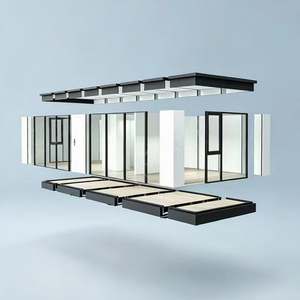
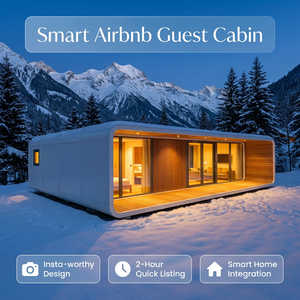
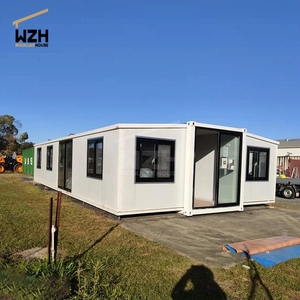
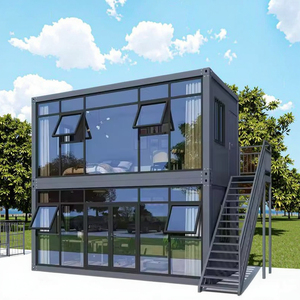
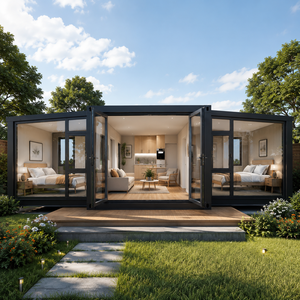
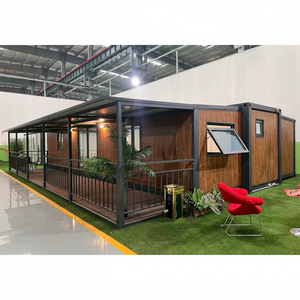
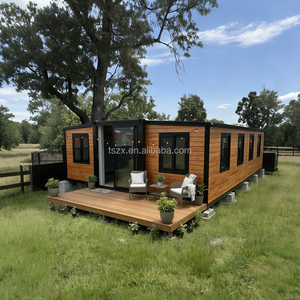
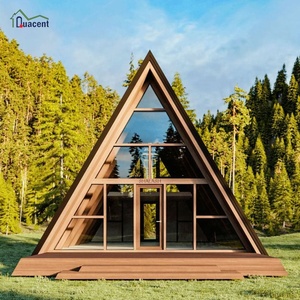
Custom-engineered modular configurations tailored to Argentina's extreme climatic, operational, and topographic demands.
Industrial extraction operations in Jujuy, Salta, Catamarca (Lithium Triangle) and Neuquén (Vaca Muerta shale) require robust, transportable housing. Our expandable container houses feature 75mm-100mm PU insulation and heavy-duty steel framing engineered to endure severe Andean freeze-thaw cycles, high UV radiation, and sub-zero night temperatures while accommodating up to 200 workers per camp rollout.
From San Carlos de Bariloche to El Calafate and Tierra del Fuego, Southern Argentina's luxury tourism market relies on high-aesthetic, minimal-impact housing. Our Space Capsules and SIPS A-Frame Villas offer panoramic double-glazed Low-E glass walls, factory-integrated HVAC connections, and wind resistance rated up to 200 mph to counter severe Patagonian gale forces (Zonda winds).
In agricultural provinces such as Buenos Aires, Santa Fe, and Córdoba, agri-business enterprises deploy detachable flat-pack units for field manager headquarters, seasonal worker lodging, and equipment command centers. The galvalume steel cladding resists agricultural moisture corrosion and provides termite-proof operational longevity.
Faced with high urban construction costs and lengthy municipal permit timelines, residential property owners in Metropolitan Buenos Aires (AMBA) utilize Apple Cabin Pods and 20ft Expandable Modular Homes as backyard Accessory Dwelling Units (ADUs), home offices, or rental units. Factory fabrication allows 1-day installation without site clutter.
Understanding the regulatory environment, CIRSOC structural codes, and economic drivers favoring imported prefabricated housing.
Traditional wet construction in Argentina suffers from acute currency fluctuation risks, materials cost surges (cement, brick, rebar), and extended labor timelines. Chinese factory-built modular homes provide Argentine procurement directors with fixed-cost predictability. By contracting directly with China factories in US Dollars or RMB, developers lock in raw material prices, guarantee manufacturing specifications, and reduce total site erection costs by up to 35% compared to local brick-and-mortar builds.
Structural integrity in Argentina is strictly governed by CIRSOC regulations. Structural steel frames exported to Argentina must comply with CIRSOC 102 (Wind Action on Buildings) and CIRSOC 103 (Seismic Resistance), particularly in seismic-prone western regions like Mendoza and San Juan. BoxHouse utilizes Q235B/Q345B cold-formed structural steel chassis, engineered with finite element analysis to ensure compliance with seismic zone 4 criteria and extreme dynamic wind loads up to 0.90 kN/m².
Efficient shipping logistics are paramount when importing from Ningbo, Shanghai, or Qingdao ports to Argentina. Main port hubs include Puerto de Buenos Aires and Terminal Zárate. Utilizing flat-pack technology or folding expandable container architectures allows two complete 380 sq ft units to fit inside a single 40ft High Cube (40HQ) ocean container, dramatically lowering ocean freight cost per square meter of usable living space.
Combining industrial manufacturing capacity, strict quality control, and deep international export logistics expertise.
Our 45,000 m² factory operates automated CNC roll-forming lines, laser welding, and automated powder coating, ensuring sub-millimeter tolerances on every steel frame node.
Patented folding hinge systems allow complete homes with pre-installed electrics, plumbing, and sanitary facilities to ship flat, maximizing container loading capacity.
Engineered with hot-dip galvanized steel chassis (zinc coating ≥ 120g/m²), fluorocarbon exterior finishes, and high thermal insulation cores tailored for Patagonia and the Andes.
Units leave the production floor fully integrated with 220V electrical systems, LED lighting, certified PVC/Alu windows, integrated bathrooms, and custom kitchen cabinetry.
Complete supply chain documentation provided: Certificate of Origin (Form A/CO), detailed packing lists, HS Code tariff breakdowns (HS 9406.90), and structural calculations.
Comprehensive video assembly guides, 3D BIM foundation drawings, and technical field engineers available for remote or on-site assembly supervision in Argentina.
Compare key structural parameters across our primary modular housing lines exported to South America.
| Model Category | Structural Frame | Thermal Insulation | Wind Load Rating | Assembly Time | Container Loading |
|---|---|---|---|---|---|
| Expandable Container House | Q235B Galvanized Steel Chassis | 75mm PU / EPS Sandwich Panel | 120 MPH | 2 Hours (2-3 Workers) | 2 Units per 40HQ Container |
| Flat-Pack Detachable Box | Cold-Formed Profile Steel | 50mm-75mm Rockwool Core | 100 MPH | 3 Hours (4 Workers) | 4 Units per 40HQ Container |
| Luxury Space Capsule Pod | Aluminum Alloy + Steel Subframe | 100mm Polyurethane Injection | 180 MPH | Turnkey / Crane-Set Only | 1 Unit per 40FR Container |
| Apple Cabin Studio Pod | Heavy Galvanized Tube Framework | 80mm High-Density PU Panel | 140 MPH | Turnkey / Plug & Play | 1 Unit per 40HQ Container |
| SIPS A-Frame Cottage | Structural Insulated Wood/Steel | 100mm-150mm SIPS Panel | 160 MPH | 2 Days (4 Workers) | 1-2 Units per 40HQ Container |
Addressing core questions regarding international logistics, customs clearance, site foundation, and electrical standards.
Units are engineered to fit standard ocean shipping containers. Flat-pack detachable containers ship in bundles of 4 units per 40HQ container. Expandable container houses fold flat into a standard 20ft or 40ft container profile. Luxury pod units (Space Capsules and Apple Cabins) are shipped as fully assembled turnkey units inside 40HQ or 40ft Flat Rack (FR) ocean containers, arriving directly at the Port of Buenos Aires or Terminal Zárate.
Depending on the soil profile (e.g., expansive clay in the Pampas or rocky ground in Patagonia), our homes can be set on concrete piers, strip footings, helical ground screws, or a reinforced concrete slab. For temporary mining operations in Vaca Muerta, helical earth screws allow fast installation and 100% site recovery without leaving permanent concrete footprints.
Yes. All factory wiring is pre-installed to conform with Argentina's 220V/50Hz single-phase or 380V three-phase electrical standard. Sockets, switches, and circuit breakers use IRAM-certified components or international equivalents. Plumbing conduits use standard PPR/PEX piping with standard threads compatible with local municipal connections.
Prefabricated modular structures are classified under HS Code 9406.90 (Prefabricated Buildings). Importing into Argentina requires clearance through the SEDI system, bill of lading documentation, and commercial invoices stamped by factory export authorities. We assist your local customs broker (Despachante de Aduana) with complete technical documentation.
Connect directly with our engineering and export team for technical quotes, CAD drawings, container loading layouts, and CIF shipping estimates to Buenos Aires.
Send an Inquiry